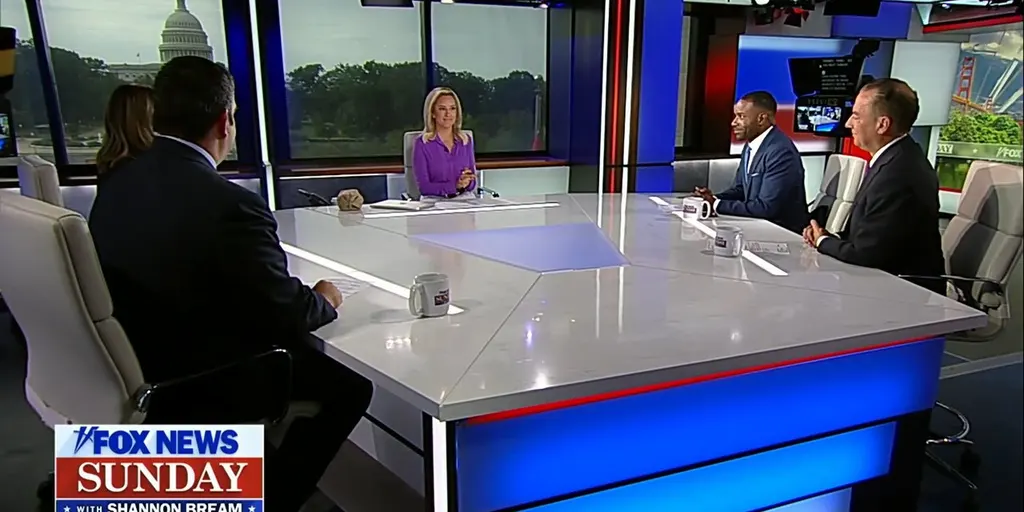
The decision by Robert Kraft to implement a ban on Macklemore has sparked a heated debate over corporate responsibility and cultural influence, leading some observers to view the move as a principled stand. A prominent political analyst recently suggested that Kraft has set a powerful example by refusing to associate his brand with the artist, arguing that such actions demonstrate a willingness to prioritize values over commercial convenience in an increasingly polarized climate.
This high profile fallout comes amidst a whirlwind of controversy surrounding the rapper, which has already spilled over into other areas of the entertainment industry. The tension reached a boiling point during recent performances by Ed Sheeran, where the pop star admitted he felt afraid to return to the stage following the sudden departure of several opening acts tied to the Macklemore uproar. Concertgoers have been vocal about their conflicted feelings regarding attendance, while protesters have even targeted Sheeran’s shows in cities like Philadelphia.
While many see Kraft’s stance as a necessary boundary, others view it as part of a broader trend of cancel culture affecting live events and sponsorships. Regardless of where one stands on the ethics of the ban, analysts suggest that Kraft’s decisive action sends a clear message to other owners and executives about the potential consequences of public associations during times of social turmoil. As the music world continues to grapple with these tensions, the ripple effects of this executive decision may serve as a blueprint for how power players navigate celebrity scandals moving forward.